
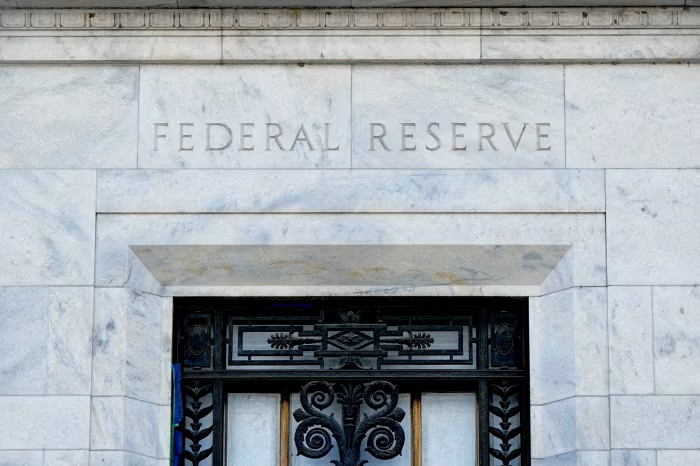
- The Federal Reserve is expected to hold rates at 3.75% to 4% this week after hiking in September, shifting focus to how Chairman Kevin Warsh explains the decision. Investors expect a second hike this year in December, and Santander’s Stephen Stanley said the tricky part will be for Warsh to explain “why they didn’t go in October and, after making the case there, explain why December is still live.”
- The job is harder because Warsh has refused to give forward guidance since joining the Fed in May. After the July hold, his sparse language roiled markets, and he later sounded tougher on inflation in an August speech before the September hike. Hike odds for October fell from above 70% to below 30% after early-October speeches by key officials, Bloomberg reported, and slid to around 15% after Warsh said on Oct. 16 that the economy had “broadly conformed” to expectations, according to the WSJ.
- Not all officials favor waiting. Dallas Fed President Lorie Logan wants at least another half-point of hikes, and Cleveland’s Beth Hammack favors moving “relatively quickly.” Both dissented in favor of a hike in July along with Minneapolis’ Neel Kashkari, and a hold could again draw dissents. Bank of America’s Aditya Bhave is forecasting a surprise hike, saying inflation “has been worse on net” since September.
- Economists differ on the cost of waiting. Former Dallas Fed President Robert Kaplan said “being six weeks late is a manageable risk,” while former Fed economist Claudia Sahm said the data argue for hiking now. Bloomberg Economics still sees the Fed on hold through year-end, warning an AI-related market correction around the midterms could tighten financial conditions abruptly.
What Happened?
Bloomberg and the Wall Street Journal both described a Fed boxed in by its own messaging. After September’s rate increase, New York Fed President John Williams and Vice Chair Philip Jefferson said the Fed could take its time, and Governor Christopher Waller sent a similar message, pulling down hike odds. September consumer and wholesale price data then came in firmer than expected, leaving the Fed’s preferred inflation gauge on track for no further progress toward 2%. A hike now would come less than a week before the Nov. 3 midterms, after President Trump sharply criticized September’s increase.
Why It Matters?
How Warsh frames the hold matters more than the decision itself. If he sounds too relaxed about inflation, investors may doubt the Fed’s resolve, and Nationwide’s Kathy Bostjancic warned that not acting could “unhinge the long-term rates.” Dissents from Logan, Hammack or others would publicly make the case for a December hike, helping Warsh without his having to give guidance. Warsh might also argue that higher long-term yields are doing some of the Fed’s work, after the 10-year spent about a month above 5% and the Nasdaq-100 fell more than 7% from its Oct. 6 record.
What’s Next?
Watch Wednesday’s statement for dissents and Warsh’s press conference for how firmly he keeps December on the table. Before the December meeting, officials will see September’s preferred inflation measure, multiple October inflation readings, October and November employment data and the first print of third-quarter GDP. Several analysts, including Barclays’ Marc Giannoni, have added another hike early next year to their forecasts. A surprise hike this week, as Bank of America expects, would be the biggest risk to markets pricing a hold.


