
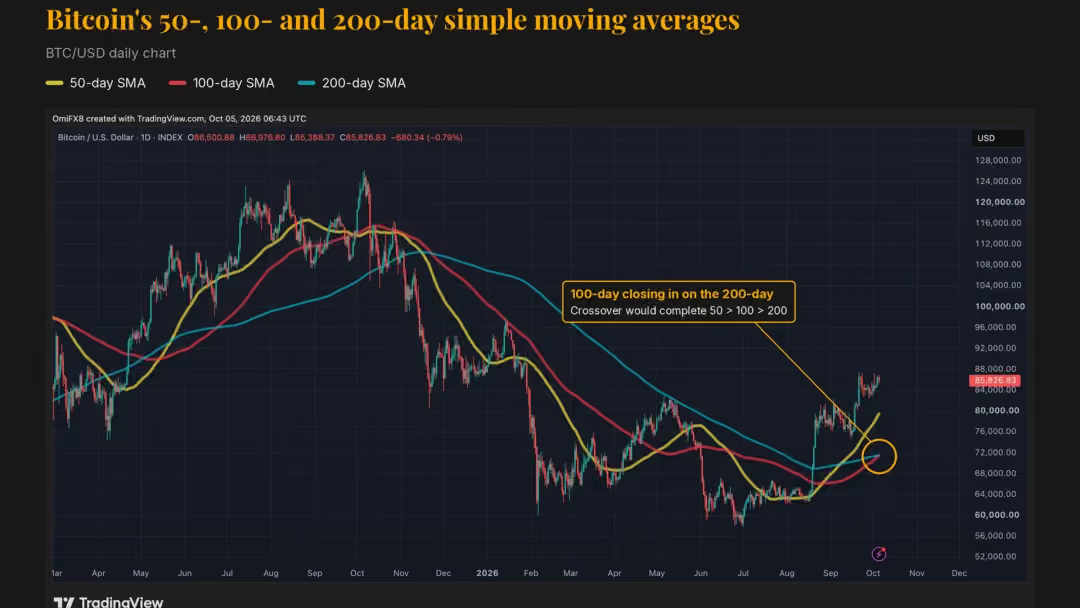
- Bitcoin weakened as much as 3% to $59,404 in Asia on Tuesday after fully erasing its nearly 6% jump on Nvidia’s reinstatement of Jensen Huang during the U.S. session, Bloomberg reported. It was trading around $60,400 at 7 a.m. in London, even as global stocks soared on the Nvidia news.
- The token sank to a two-year low of $55,254 over the weekend and has fallen about 20% in November, according to Bloomberg. It has lost more than half its value since peaking above $126,000 in October 2025 and notched a seventh straight weekly decline last week as leveraged long positions were liquidated.
- The risk-on rebound cut the other way for crypto: it reinforced expectations the Federal Reserve has room to raise rates, a potential negative for non-yielding assets. “The Jensen rally was not as bullish a catalyst for Bitcoin, as the rally in risk will make it easier for the Fed to hike in December,” said Rich Rosenblum, co-founder of crypto market maker GSR.
- Structural headwinds are piling up: the $6 billion Binance hack on Oct. 29 knocked confidence, US-listed Bitcoin ETFs lost about $1.8 billion last week and some $4.8 billion from Oct. 30 through Nov. 20, and Democrats’ midterm wins raised expectations of tougher crypto regulation when they retake both chambers of Congress next year.
What Happened?
Bitcoin failed to sustain its rally on Tuesday, weakening as much as 3% to $59,404 in Asia after wiping out its nearly 6% jump on the Nvidia announcement during the U.S. session, Bloomberg reported. The largest digital asset was trading around $60,400 at 7 a.m. in London. It sank to a two-year low of $55,254 over the weekend and is down about 20% in November, extending a slide that has cut its value by more than half since its October 2025 peak above $126,000. Last week was its seventh straight weekly decline, with liquidations of leveraged long positions accelerating the slump.
Why It Matters?
Bitcoin’s failure to ride the equity rebound shows how far it has decoupled from the AI-led risk trade, with investors focusing on crypto-specific headwinds instead. The $6 billion hack of Binance on Oct. 29 damaged confidence, while accelerating outflows from U.S. spot Bitcoin ETFs have removed a key source of price support, with about $1.8 billion pulled last week, the most since June, and $4.8 billion from Oct. 30 through Nov. 20, according to data compiled by Bloomberg. At the same time, the stronger risk appetite triggered by Huang’s return reinforced expectations that the Fed can keep raising rates, a negative for non-yielding assets. Democrats winning the Nov. 3 midterm elections has also raised expectations of greater regulatory scrutiny of the industry.
What’s Next?
The next tests are the Fed’s December decision and whether ETF outflows slow. Alex Kuptsikevich, chief market analyst at FxPro, said current levels “could present a welcome second chance for long-term purchases and offer a favorable risk-reward ratio for speculators,” but added that cautious investors will likely wait for signs of a reversal, such as a recovery above the 200-week moving average, which currently stands at $68,200. Until then, rallies tied to equity sentiment may continue to fade.
Affected Tickers and Coins: BTC, IBIT
Source: Bloomberg


