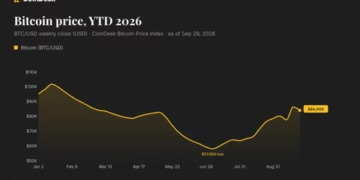
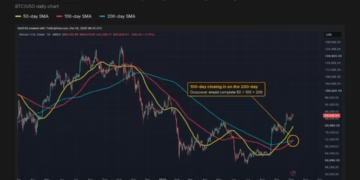
- Bitcoin slumped on Friday as US stock trading reopened after the Thanksgiving holiday, moving in the opposite direction to modest gains in equities. The largest cryptocurrency had earlier climbed as much as 2.3% to top $62,000 before giving up all of those gains and hitting a 24-hour low of around $58,760 as markets opened in New York, Bloomberg reported.
- The token is down roughly 23% in November and on track for its worst monthly performance in more than four years. Bloomberg tied the weakness to fading investor confidence after a series of major crypto hacks and rising regulatory uncertainty following the US midterms.
- The split with stocks stands out because US futures had lifted Bitcoin before the open, and the Nasdaq 100 and S&P 500 both rose once trading began as worries about an AI bubble eased. Once the cash session started, crypto failed to follow equities higher, and other cryptocurrencies also fell.
- Large holders are feeling the pain. Wallets holding 1,000 to 10,000 Bitcoin have an average unrealized profit margin of just 5.7% this quarter, CryptoQuant said, the lowest level of 2026 and down from 33.9% in late September.
What Happened?
Bitcoin rose as much as 2.3% early Friday to top $62,000, helped by higher US stock futures ahead of the session. It then reversed, sliding to a 24-hour low of around $58,760 when the stock market opened in New York, and other cryptocurrencies also fell. “A drop to $57,000 would signal a return to the short-term bearish scenario,” said Alex Kuptsikevich, chief market analyst at FxPro. Unrealized gains for addresses holding 1,000 Bitcoin or more stand at $23.8 billion, according to CryptoQuant, down from $124.7 billion in September and a peak of $294.4 billion in August 2025.
Why It Matters?
Bitcoin is often traded as a high-beta risk asset, so its failure to rise with tech stocks on a risk-on day is a warning sign about crypto-specific demand. A roughly 23% slide in November would mark the token’s worst month in more than four years, and the drivers Bloomberg cited, hacks and post-midterm regulatory uncertainty, are not ones that a stock-market bounce can fix on its own. The CryptoQuant data matter because large holders sitting on thin profit cushions have less room to absorb further declines before their positions turn into losses. That can make big wallets more sensitive to the next leg lower.
What’s Next?
Traders will watch the $57,000 level that FxPro’s Kuptsikevich flagged as the line for a return to the short-term bearish scenario. A close to the month near current levels would lock in Bitcoin’s worst monthly performance in more than four years. Investors will also watch whether large holders’ unrealized profit margins, already at the lowest level of 2026, slip toward zero. Any progress on US crypto regulation after the midterms could help repair the confidence that Bloomberg said has been weighing on the market.
Affected Tickers and Coins: BTC, IBIT
Source: Bloomberg