- US-listed bitcoin ETFs are on track for their worst month of outflows since their January 2024 debut, with a net $4.94 billion withdrawn in November through Nov. 24, according to Bloomberg data. BlackRock’s iShares Bitcoin Trust, the largest of the funds, accounts for more than $4 billion of those redemptions.
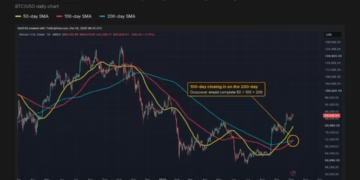
- Bitcoin has fallen about 23% this month and is heading for its weakest monthly performance since June 2022, trading near $59,000, Bloomberg said. The WSJ reported the token down 1.4% at $59,014.18, with bitcoin off 26% over 30 days, ether down 29% and solana down 32%.
- Options markets show traders still leaning defensive: implied volatility is near three-month highs and downside protection costs more than upside bets, Derive.xyz founder Nick Forster told the WSJ. Pricing implies a trading range of about $56,600 to $61,700 through Friday’s expiry.
- The ETFs that powered the bull run are now amplifying the decline. Bitcoin gave back its entire Monday rally after Nvidia reinstated Jensen Huang, a pattern Glassnode said shows investors using strength to sell, and the firm said a return to ETF inflows plus net buying on Coinbase would be the first sign of a turn.
What Happened?
Investors pulled a net $4.94 billion from US spot bitcoin ETFs in November through Nov. 24, putting the funds on course for their worst month since launch, Bloomberg reported. BlackRock’s iShares Bitcoin Trust alone saw more than $4 billion of redemptions, also its worst monthly outflow. Bitcoin slipped below $60,000 and is down about 23% for the month. In options, Derive.xyz’s Nick Forster told the WSJ that implied volatility sits near three-month highs and traders are paying more for puts than calls, although some activity points to bargain hunting.
Why It Matters?
Spot ETFs opened bitcoin to a broader base of institutional and retail buyers and were a major source of demand on the way up, so persistent redemptions remove a key support at a fragile moment. Glassnode told Bloomberg that “when a market cannot hold a rally on good news,” investors are usually using strength to sell, and noted little interest from ETFs and institutions at current prices. Monarq Asset Management COO Ayesha Kiani told Bloomberg Television that bitcoin is competing with equities and yield-bearing assets for risk capital, calling the ETF exodus “concerning.” Hacks, the prospect of higher US rates and tighter regulatory scrutiny after the midterms add to the headwinds.
What’s Next?
Forster told the WSJ that a move back above $60,000 would be the first sign of a bounce and $64,700 the level for a stronger recovery, with options implying a $56,600 to $61,700 range through Friday’s expiry. Watch daily ETF flow data and Coinbase demand for signs that institutional buyers are returning. Kiani said the industry may need a fresh catalyst or narrative to revive demand.