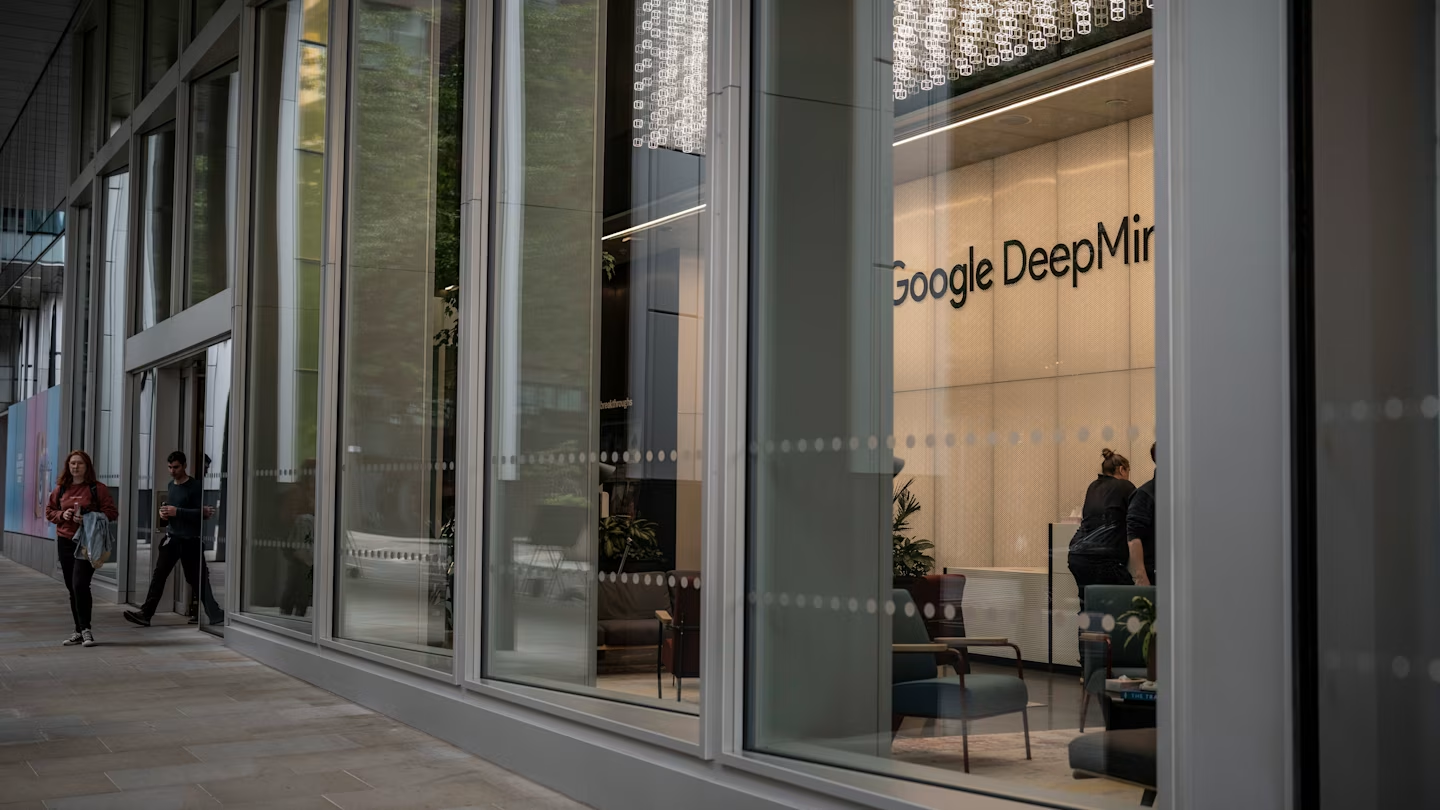
- Google is widening its AI chip lineup. The company plans to introduce two specialized tensor processing units next year, one for confidential computing for customers handling sensitive information and another for applications that require larger volumes of data, including coding and drug discovery, CoinDesk reported.
- The revenue opportunity is large. Bloomberg Intelligence estimates TPU sales, including related hardware and software, could exceed $135 billion by 2028, up from an estimated $12 billion this year, a more than elevenfold increase by our calculation.
- Price is Google’s weapon. Bloomberg Intelligence analysts say TPUs cost about 30% less than Nvidia’s GPUs, which could pressure the market leader’s pricing and market share at a moment when Nvidia is already reeling from a board investigation involving CEO Jensen Huang.
- The market is rewarding Google and punishing Nvidia. Google rose 3.4% while Nvidia was down 4.3% after losing more than $250 billion in market value on Monday, even as the broader Nasdaq surged more than 2%, according to CoinDesk.
What Happened?
Google is expanding its range of AI chips with two specialized TPUs slated for next year, adding to competition with Nvidia as the chip leader faces an investigation into Huang’s personal affairs. Nvidia’s board announced the probe after reports that Huang had been targeted by foreign intelligence; Huang admitted an affair with a woman U.S. officials reportedly suspect was recruited by Chinese intelligence. Independent directors and outside lawyers will oversee the inquiry, and Nvidia said it had no reason to believe national security or company secrets had been compromised. The news lands as the AI trade falters, with neocloud and infrastructure stocks including IREN, Cipher Digital and CoreWeave down 70% or more from their all-time highs.
Why It Matters?
Nvidia is the market leader in AI chips, so a cheaper, increasingly specialized TPU lineup from Google is a threat to its pricing power and share, not just a headline risk. If Bloomberg Intelligence’s estimate is right, TPUs would become a major business line for Google and a real alternative for AI buyers, particularly customers focused on cost. The timing compounds the issue: governance uncertainty at Nvidia could make large buyers more willing to diversify suppliers, while Google’s 3.4% gain shows investors are already rotating within the AI complex.
What’s Next?
Watch for details on the new TPUs’ launch timing, performance and pricing, and whether major AI labs and cloud customers commit to them. For Nvidia, the board investigation’s outcome and its Nov. 17 earnings will test whether the stock can hold its AI leadership premium. The deeply discounted neocloud stocks remain a gauge of investor appetite for AI infrastructure risk.