- U.S. Treasury yields were little changed Monday, with the 10-year yield up about 1 basis point at 4.99% and the 30-year unchanged at 5.31%. The 2-year yield rose 2 basis points to 4.7%, leaving the 2-year to 10-year spread at roughly 29 basis points (Lumida calculation).
- Traders are pricing an over 90% chance that the Federal Reserve holds rates at 3.75% to 4% on Wednesday, according to the CME FedWatch Tool. With a hold largely expected, the focus is on what Chairman Kevin Warsh says after the decision.
- Deutsche Bank analysts said the broader message is still likely to be hawkish, with their economists arguing recent inflation data support further tightening over time even if the Fed pauses this week. They expect Warsh to clarify that tight financial conditions are not a substitute for higher policy rates.
- The week is packed with data, including the weekly ADP employment change and September durable goods orders on Tuesday, the PCE index, the Fed’s preferred inflation gauge, and jobless claims on Thursday, and more employment data on Friday.
What Happened?
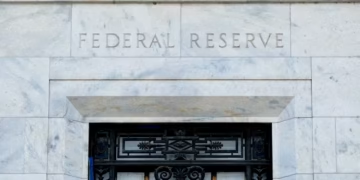
Treasury yields traded flat Monday as investors looked ahead to the Federal Reserve’s rate decision on Wednesday and a busy week of economic data. The benchmark 10-year yield rose about 1 basis point to 4.99%, the 30-year held at 5.31% and the 2-year rose 2 basis points to 4.7%. Markets see an over 90% chance the Fed holds its target range at 3.75% to 4%, per the CME FedWatch Tool. Deutsche Bank analysts said in a Monday note that investors will focus on how Warsh “balances still-elevated inflation and solid growth against the recent tightening in financial conditions.”
Why It Matters?
With the 10-year sitting just below 5%, small shifts in Fed messaging can move borrowing costs across mortgages, corporate credit and equity valuations. If Warsh signals that recent tightening in financial conditions does not replace rate hikes, as Deutsche Bank expects, markets may have to price a higher path for policy rates later this year. A relatively flat curve, with the 2-year and 10-year about 29 basis points apart by Lumida’s calculation, shows investors still expect short-term rates to stay high. That leaves bonds sensitive to both a hawkish surprise from the Fed and any hot inflation reading from Thursday’s PCE report.
What’s Next?
Watch Wednesday’s statement and Warsh’s press conference for any guidance on a December move, then Thursday’s PCE data for confirmation of the inflation trend. A hawkish message could push the 10-year back above 5%, while a softer tone or cooler PCE would give bonds room to rally. The employment data later in the week will test the solid-growth part of the Fed’s argument. Investors in long-duration bonds and rate-sensitive stocks will be most exposed to the outcome.
Affected Tickers and Coins: TLT, IEF, SHY
Source: CNBC