- Oil prices rose on Wednesday after the Tehran-backed Houthis said they attacked Saudi Arabia’s Ras Tanura refinery, the kingdom’s largest, with a ballistic missile. Brent crude futures gained $1.50, or 1.32%, to $115.59 a barrel, while US West Texas Intermediate rose $1.47, or 1.47%, to $101.37, leaving Brent about $14.22 above WTI (Lumida calculation).
- President Donald Trump said at a rally in Lubbock, Texas, that the Iran war will end “whenever I want it to end,” while insisting Tehran must never have a nuclear weapon. He has said he will soon decide whether to “make a deal” with Iran or “finish it off.”
- Supply risk is building on several fronts. The Wall Street Journal reported that the US has told Persian Gulf nations to be prepared for a fresh military campaign against Iran, Bloomberg noted, and Israel’s election appeared headed for a stalemate, clouding its approach toward Iran.
- The cost is showing up at home. A Central Command estimate reported by The Hill puts the war’s cost at $47 billion, about $3 billion more than previous figures, and Moody’s Analytics’ Mark Zandi said it has cost American families an average of $2,000, including $1,100 from higher energy costs and $540 from higher interest rate costs.
What Happened?
Crude extended gains in Asian trading Wednesday as investors weighed the risk of a prolonged and widening Middle East conflict after the Houthi attack on Ras Tanura. Trump’s comments followed earlier remarks that he was weighing a deal with Tehran or further military action, keeping traders on edge over renewed strikes. Earlier this month the US evacuated diplomats from Saudi Arabia, and the New York Times reported that US and Israeli militaries have drawn up plans for a “short but intensive” operation against Iran after the midterms, CNBC said. In Israel, preliminary exit polls showed neither bloc reaching the 61 seats needed for a majority in the 120-member parliament.
Why It Matters?
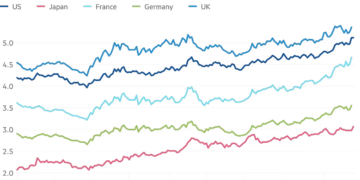
An attack on Saudi Arabia’s largest refinery widens the conflict beyond Iran and the Strait of Hormuz, which is why traders keep a geopolitical risk premium in crude. Oil above $100 feeds directly into inflation, which is the main reason markets expect the Fed to hike in December, so energy is now a key driver for both bonds and stocks. The political stakes are high too: Trump’s approval rating stands at 32%, according to a Reuters/Ipsos poll, as rising energy costs weigh on voters ahead of the Nov. 3 midterms.
What’s Next?
Traders will watch for any Saudi statement on damage and output at Ras Tanura, further Houthi attacks and signals from Washington on whether talks or strikes come next. The Fed’s decision on Wednesday afternoon and Thursday’s PCE inflation data will show how much the energy shock is shaping the rate outlook. A post-midterm renewal of strikes, as reported by the Journal and the Times, remains the main upside risk for prices.