Key Takeaways:
Powered by lumidawealth.com
- Coinbase shares rose ~17%–20% on more than double-average volume, even after a weak quarter, suggesting expectations were already very low.
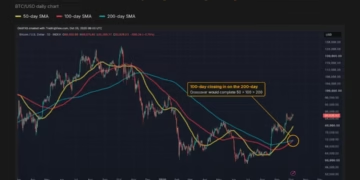
- Bitcoin rebounded as much as ~5.5% to ~$69,411 after CPI data revived rate-cut hopes, lifting risk assets and reinforcing Coinbase’s tight correlation to crypto prices.
- Q4 revenue fell ~20% to ~$1.8B and Coinbase posted a ~$667M net loss (including unrealized markdowns), highlighting ongoing earnings sensitivity to token prices and trading activity.
- Policy is becoming a near-term catalyst: comments around a crypto market structure bill and evolving stablecoin rules could materially affect Coinbase’s higher-margin USDC-related revenue stream.
What Happened?
Coinbase shares surged nearly 20% on heavy trading volume one day after reporting softer trading volumes and pressure on transaction revenue. The move coincided with a Bitcoin rebound (up as much as ~5.5% to ~$69,411) following relatively tame US inflation data that boosted expectations for rate cuts. With the stock down sharply into earnings and sentiment defensive, investors appeared positioned for a negative outcome—creating room for a sharp reversal when results were “bad but not worse than feared,” alongside management’s constructive tone on crypto legislation.
Why It Matters?
The rally underscores how Coinbase trades as a leveraged proxy for crypto risk appetite: when Bitcoin and liquidity expectations improve, Coinbase often reacts quickly due to its exposure through trading and staking. Fundamentally, the quarter reinforced Coinbase’s dependence on market cycles—revenue down ~20% and a sizable net loss—but it also highlighted that the company is trying to diversify away from pure spot trading, including meaningful revenue tied to USDC revenue-sharing (typically viewed as higher margin and more predictable than transaction fees). Regulation is the swing factor: draft stablecoin legislation could limit exchanges’ ability to offer rewards on stablecoin balances, which may directly impact Coinbase’s USDC economics, so any perceived improvement in the policy outlook can move the stock.
What’s Next?
Watch Bitcoin price and broader liquidity conditions first—Coinbase’s near-term fundamentals remain closely linked to crypto volumes and volatility. Track progress and wording in US crypto market structure and stablecoin bills, especially provisions affecting stablecoin rewards and exchange revenue-sharing. Finally, monitor how quickly Coinbase can grow non-transaction revenue (subscriptions/services, USDC-related income, and newer products) to reduce earnings whiplash across crypto cycles.