- Growth beat expectations. Third-quarter GDP rose at a 3.4% annualized pace, above the 3.1% estimate and well ahead of the second quarter’s 2.2%, with gross private domestic investment soaring 19.4% on a 20.9% surge in equipment spending tied to the AI build-out.
- Inflation picked up in September. The PCE price index rose 0.5% for the month, the largest gain since March, lifting the annual rate to 3.6%, 0.1 percentage point below consensus, while core PCE was in line at 0.3% and 3.1%. Gasoline and other energy goods jumped 9.2% in the month.
- The labor market stays tight. Initial jobless claims fell to 194,000 for the week ended Oct. 24, below the 200,000 estimate and near levels last seen in the late 1960s, while real final sales to private domestic purchasers, a Fed gauge of underlying demand, rose 4.9%.
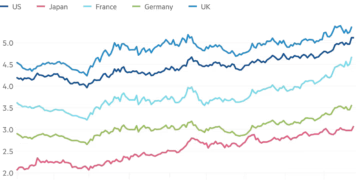
- Bonds rallied anyway. The 10-year Treasury yield fell more than 7 basis points to 4.97%, the 2-year slipped 1 basis point to 4.635% and the 30-year dropped more than 4 basis points to 5.312%, while CME FedWatch still showed an 83% chance of a quarter-point hike in December.
What Happened?
The Commerce Department released the GDP and income-and-spending reports Thursday, a day after the Fed held its benchmark rate at 3.75% to 4%. Consumer spending rose 0.5% in September, a bit below the 0.6% forecast, and personal income grew 0.2% versus 0.3% expected. On a quarterly basis, PCE prices rose 2.1% headline and 2.5% core, down from 5% and 3.3% in the second quarter. Services prices excluding energy and housing rose 0.4% in September, and housing costs increased 0.3%.
Why It Matters?
The data show an economy powered by AI investment and strong consumer and government spending, with energy costs that economists fear could spread through other prices. Fwdbonds chief economist Chris Rupkey said growth is “powering ahead” despite geopolitical risks and higher energy costs. Stephen Coltman of 21shares said Fed Chair Kevin Warsh sees the economy as strong, inflation above target and financial conditions as not restrictive, and that “investors should expect the Fed Funds rate to continue to rise as a result.”
What’s Next?
The next signal comes Friday, when the Fed’s post-meeting blackout lifts. Thornburg’s Ali Hassan said markets still expect a December move but are “less convinced of the follow-through,” and that hawkish Fed speakers could claw back the recent front-end easing. Warsh has said policymakers are not on a set path, calling the period ahead “information rich.”