Key takeaways
Powered by lumidawealth.com
- Bitcoin fell to a seven-day low as surging oil prices and war-related uncertainty triggered a broader risk-off move.
- The macro driver is inflation fear: higher energy prices are raising concerns about a hotter US CPI print and tighter financial conditions.
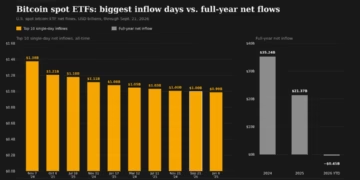
- Institutional demand remains weak, with US spot Bitcoin ETFs seeing large cumulative outflows since November.
- Crypto is trading more like a risk asset than a safe haven, though the selloff was milder than in some equity markets.
What Happened?
Bitcoin dropped to its lowest level in a week during Asian trading as the escalating Iran conflict pushed oil prices sharply higher. Brent crude rose to its highest level since mid-2022, while Bitcoin fell as much as 2.36% before stabilizing somewhat above $66,000. The move came alongside broader weakness in risk assets, including Asian equities, while the US dollar strengthened and Treasury yields moved higher as markets braced for inflation pressure tied to rising energy costs.
Why It Matters?
This price action reinforces that Bitcoin is still heavily influenced by the macro environment, especially when inflation and liquidity expectations shift suddenly. Higher oil prices raise the odds of a stronger CPI print, which can push markets toward a more defensive stance and reduce appetite for speculative assets. For investors, the more important signal is not just the daily price drop, but the backdrop of persistent ETF outflows and weak institutional conviction. That suggests crypto demand remains fragile and that macro shocks are still more likely to trigger selling than a “digital gold” rotation. At the same time, Bitcoin’s decline was less severe than the drop in some equity indices, which may indicate that leverage has already been reduced significantly.
What’s Next?
The next key catalyst is US inflation data and whether energy prices remain elevated. If oil stays high and CPI comes in hot, Bitcoin could remain under pressure as markets price tighter conditions and weaker risk appetite. Investors should also watch spot ETF flow data closely, since a reversal there would be one of the clearest signs that institutional demand is stabilizing. In the near term, sentiment will likely remain tied to the path of the Iran conflict, oil prices, and whether Bitcoin can hold key support levels rather than slide into a deeper macro-driven correction.