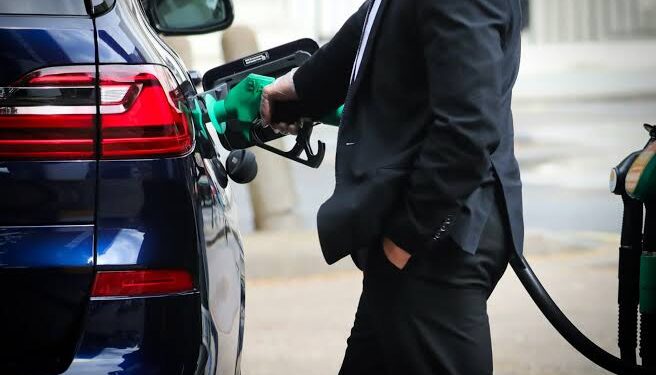
- Average UK diesel prices crossed £2 a litre for the first time, according to motoring organisation the RAC, meaning filling a 55-litre tank costs £32 more than before the Middle East conflict began. Economists warn a prolonged US export ban could push prices toward £3 a litre.
- Paul Dales, chief UK economist at Capital Economics, said such a shock could add a full percentage point to inflation for a peak of 5.3%, raising the risk of second-round effects and meaning the Bank of England raises rates further and for longer. Thomas Pugh of RSM UK put the figure at half a point including indirect effects, noting that losing 20% of diesel overnight would be a difficult adjustment and that expecting firms not to pass costs through is wishful thinking.
- Demand barely responds to price. Economists estimate prices would need to rise 10% to reduce consumption by 1%, because diesel is used across industry, trucking, agriculture and construction with few substitutes available quickly.
- Group of Seven countries will release as much as 100 million barrels of diesel and oil over the next four months to ease the strain, news that sent European diesel prices and Brent crude futures sharply lower.
What Happened?
The Trump administration had raised the possibility of an export ban unless European nations released stockpiles, a measure that would hit the UK particularly hard as one of the largest buyers of American diesel. Transport minister Keir Mather said Britain has a resilient and diverse range of diesel supply. Capital Economics notes the UK holds less diesel in storage than many European peers and is heavily reliant on imports, with agriculture, construction and transport most exposed. The pressure comes before a difficult winter in which gas and electricity bills are forecast to surge in January, pushing inflation above 4% early next year, and Bank of England officials also worry that a strong El Nino could disrupt harvests and trigger food inflation. Chancellor John Healey faces calls to find room in a tight budget this month for cost-of-living support, with lobby groups urging him to cancel the fuel duty increase planned for January.
Why It Matters?
The elasticity estimate is the most important number and it is buried near the end. A 10% price increase reducing demand by only 1% means diesel is close to perfectly inelastic, which has two consequences. There is no demand-side relief valve, so a supply shortfall cannot be absorbed by consumers using less, and the entire price increase passes through into costs across the economy rather than being shared between producers and users. That is why Pugh says the indirect effects dominate the direct ones and why a fuel shock functions much like a tax on economic activity. It also explains why the UK is more exposed than its storage position alone would suggest. The central bank position is the same bind visible at the Federal Reserve. Bank of England officials are moving toward raising rates to stop an energy shock spreading, but higher rates do nothing to increase diesel supply. The tightening instead falls on rate-sensitive borrowers in housing, consumer credit and small business, which is precisely the group least able to absorb higher fuel costs at the same time. Tightening into a supply shock transfers the burden rather than addressing the cause, and the second-round effects Dales describes are what the policy is actually aimed at. The G7 release is the near-term resolution and the market responded immediately, with European diesel and Brent falling. It comes at the cost of reserves at a point when winter demand has not yet arrived, which is the trade-off being made.
What Next?
The G7 release over four months is the committed supply, and whether it is sufficient to hold prices below the levels economists warn about is the near-term test. Watch whether the US formally shelves the export ban now that European stockpiles are being freed. The Bank of England next decision is the policy event, and the inflation forecasts cited here, from above 4% early next year to a potential 5.3% peak, are what the committee will be weighing. The January budget is the fiscal response point, with the planned fuel duty increase the most visible single lever. For UK businesses in agriculture, construction and transport, the pass-through Pugh describes should begin appearing in pricing over the coming weeks, and that is where the second-round effects would first become measurable.
Affected Tickers and Coins: BZ, SHEL, BP, EWU
Source: Bloomberg