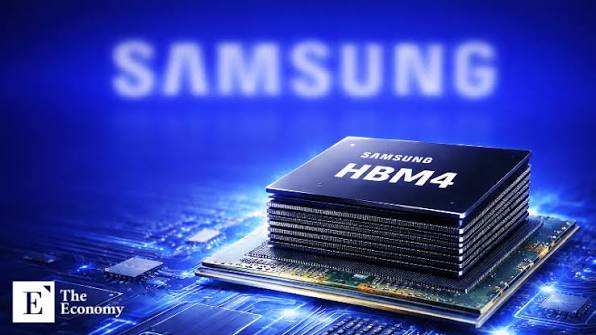
- Samsung is quoting around $4 per gigabit in negotiations with customers for its HBM4 memory chips, roughly three times its current rates, according to a report in South Korean financial daily MK. European chip stocks rose on the news.
- ASML, Europe most valuable company, gained 2.2%, while ASM International rose 4.7% and BE Semiconductor 2.6%. Analog chipmakers Infineon and STMicroelectronics advanced 6% and 3.3% respectively, and stocks tied to the AI buildout also rose, with Siemens Energy up 2.6% and Prysmian adding 4%. E-mini Nasdaq 100 futures were 0.8% higher.
- Micron reinforced the demand picture earlier in the week with strong quarterly results and a statement that demand would remain strong for years to come.
- Separately, Filtronic secured a $68.1 million follow-on order from SpaceX for high-frequency telecom technology, its largest ever. Berenberg analysts called it a strong endorsement of the relationship and hold a buy rating with a 440 pence target, with shares up 6% at 273 pence.
What Happened?
The figures come from a Dow Jones Market Talk roundup, which also carried unrelated broker notes on telecom and internet companies across Asia. The HBM4 pricing is reported as quoted in ongoing negotiations rather than as an agreed or transacted price.
Why It Matters?
Samsung occupies both sides of this shortage and that is what makes the number interesting. It raised Galaxy S26 prices by $100 mid-cycle, taking the base model to $1,000 from $800 a generation ago, because memory costs rose. It is now quoting three times current rates for the memory it sells to others. The shortage is transferring value from device manufacturers to memory producers, and Samsung is the rare company hedged across that transfer, absorbing higher input costs in handsets while capturing the pricing power upstream. Pure device makers without memory production have no such offset. The macro consequence deserves attention because it operates through two channels at once. Tripling HBM4 prices raises the cost of building AI data centres directly, which feeds into the capital spending figures that already consume a large share of corporate investment. The same shortage raises consumer electronics prices, as the Samsung handset increases demonstrate. AI investment is therefore inflationary in both business capital goods and household purchases, and consumer electronics has been a reliably deflationary category for decades. Neither channel appears prominently in the inflation frameworks central banks are using while they tighten on energy prices. Two cautions on the figure itself. It is a price quoted in negotiations reported by a newspaper, not a contracted rate, and customers facing a tripling will resist or seek alternative suppliers. The equity reaction also tells you the market read it as a demand signal for the whole supply chain rather than as a cost problem for buyers, which is a reasonable interpretation while AI capital spending continues but would reverse quickly if it did not.
What Next?
Watch whether the HBM4 pricing is confirmed in contracted agreements or whether customers push back, since quoted and transacted prices can diverge substantially in a negotiation reported mid-process. Micron commentary on pricing in its next results is the clearest independent read on whether memory rates are rising across the industry. For device makers, further mid-cycle price increases would confirm the cost pressure is still building rather than peaking. On the inflation question, watch whether consumer electronics begins contributing positively to price indices, which would mark a genuine break from its historical role. The Filtronic order is worth noting separately as evidence that SpaceX supply chain spending is reaching listed suppliers at meaningful scale.
Affected Tickers and Coins: KRX, MU, ASML, STM, SPCX
Source: The Wall Street Journal