
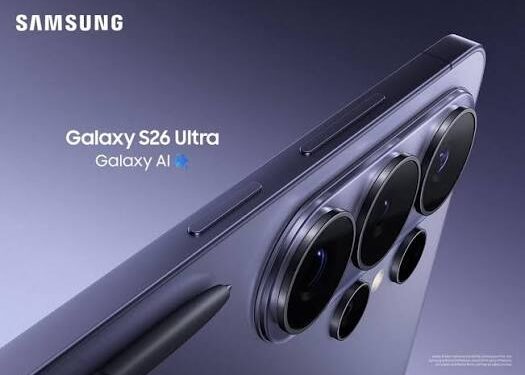
- Samsung raised prices by $100 across the Galaxy S26, S26+ and S26 Ultra, which now start at $1,000, $1,200 and $1,400 respectively. The top storage tier, the 1-terabyte Ultra, rose $200 to $2,000.
- The increase compounds one already taken. The S26 and S26+ launched in March at $100 above the equivalent S25 models, so the base phone has risen roughly 25% from $800 to $1,000 across a single generation.
- Samsung left the cheapest model untouched. The S26 FE remains at $700, though it already debuted in August at $50 above its predecessor. The foldable range, including the Galaxy Z Fold 8, Z Fold 8 Ultra and Z Flip 8, was also spared, leaving the $1,900 Z Fold 8 below Apple forthcoming iPhone Duo at $1,999 from October 23.
- The cause is a persistent memory shortage, as consumer technology brands pass on costs created by AI-driven demand for memory chips.
What Happened?
The increases apply to devices already on sale rather than to a new product generation, with the S26 line having launched in March.
Why It Matters?
Raising prices mid-cycle is the detail that signals how severe the cost pressure is. Manufacturers almost always wait for the next product launch to reprice, because increasing the cost of a device already on shelves is visible to buyers and reviewers and invites comparison with the launch price. Doing it anyway means the memory cost increase exceeded what Samsung was prepared to absorb in margin, and that is a stronger statement about component inflation than any forecast. The macro implication deserves more attention than it will get. AI data centre construction is consuming memory production, and that shortage is now showing up directly in consumer prices, which gives AI capital spending a transmission channel into inflation that is largely absent from current models. The Federal Reserve has resumed tightening primarily because of energy-driven price pressure; here is a second, entirely separate inflationary channel running from AI investment into the consumer basket. Consumer electronics has been reliably deflationary for decades, with devices improving while prices held or fell, and a 25% increase in a flagship phone across one generation reverses that. If the pattern extends across the category, it removes a persistent source of disinflation from the index. The segmentation tells you where Samsung sees its vulnerability. The cheapest model and the foldables were protected while the volume mid-range absorbed the increase, which preserves the entry price point and the halo products at the expense of the models most customers buy. The 1-terabyte Ultra at $2,000 also now sits within a dollar of Apple iPhone Duo, erasing the pricing gap at the top of the market.
What Next?
Watch whether Apple adjusts pricing when the iPhone Duo arrives on October 23, since it faces the same memory costs and has so far held at $1,999. Further mid-cycle increases from either company would confirm the shortage is worsening rather than stabilising. Memory pricing itself is the upstream variable, and manufacturers such as Micron are the beneficiaries of the shortage causing this. For the inflation picture, watch whether consumer electronics begins contributing positively to price indices, which would be a meaningful change from its historical role. Unit sales data for the S26 range after the increase will show how much pricing power Samsung actually has, given that demand for premium phones has been sensitive to price in past cycles.
Affected Tickers and Coins: 005930, AAPL, MU
Source: Bloomberg


