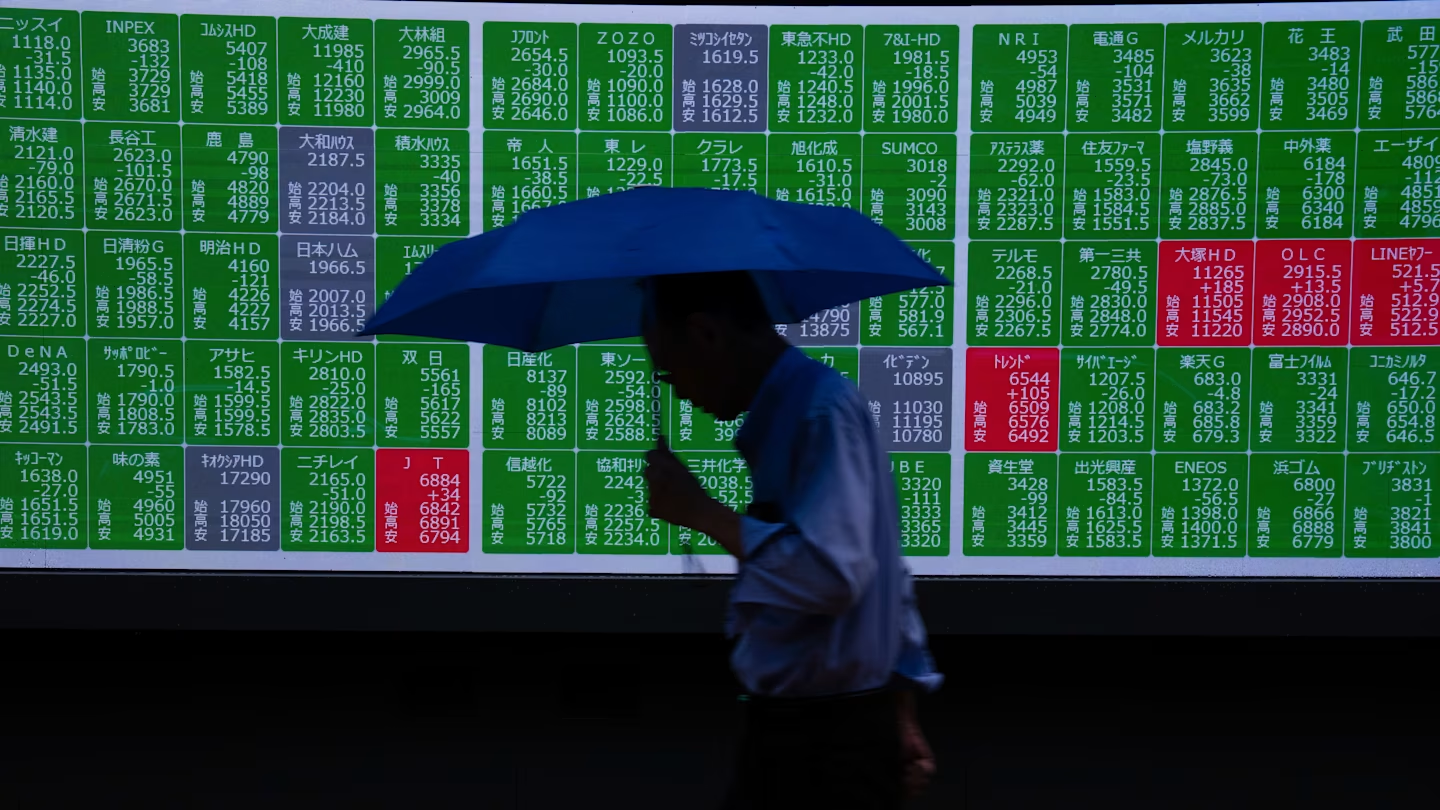
- Global bond yield sell-off continues Oct 1; Treasury 5.33% validates multiyear-high trajectory. 10-year Treasury 5.33% extends Articles 159/172/176/189 yield surge to 2002 high (validates Articles 140/159/172 on structural rate pressure). Global synchronized sell-off: UK 30-year 6% (first since 1998), UK 10-year 5.49% (2007 high), Japan 3.1% (near 3-decade high), Germany 3.62%, Australia 5.4% (near 2011 high). September worst Treasuries month since 2022 (validates Articles 176/189 on duration-selling persistence). Standard Chartered Eric Robertsen: “vicious loop” of duration (long-dated debt) selling with “no anchor”—validates Articles 172/176 thesis on structural yield support absent stabilizing policy anchors.
- Oil decline insufficient to ease yield pressure; validates Oil-Treasury correlation structural driver. Brent ~$97 down 1% (validates Articles 172/176 on energy-shock absorption). But yields persisting high despite oil ease—validates that correlation tightest since 1990 (Article 172) but now bidirectional (falling oil no longer compresses yields, validates that Fed expectations + recession fears + fiscal concerns override energy relief). Barclays’ Mitul Kotecha: Japan bond pressure from “contagion of what’s happening in the US market…uncertainty about [the Bank of Japan] tightening [rates]. It’s the fiscal concerns that continue to play in the market,” he added.
- BoJ Tankan survey validates confidence for further hikes despite global bonds stress. Quarterly survey: overall business sentiment highest since pre-Covid. Large manufacturers index highest since 2018. All industries/sizes index highest since 1991. BNP Paribas’ Ryutaro Kimura: “Tankan survey continues to suggest steady Japanese economy, will support the BoJ’s further rate hikes”—validates Articles 159/176 on synchronized global tightening (not coordinated, but same direction). Validates that labor/pricing pressures (Articles 159/172) motivating multiple central banks simultaneously (validates risk of policy-error cascade if growth deteriorates).
- Yen weakness despite intervention validates yield-shock severity. Yen ¥158.16 vs dollar (weakened 0.5% despite BoJ verbal intervention warnings)—validates Articles 159/172 on safe-haven dynamics: despite BoJ tightening (typically yen-supportive), higher Treasury yields attracting capital outflow (validates that rate differentials overriding traditional yen-strength factors). Validates Articles 140/159/172 thesis on global capital flows dominated by yield-arbitrage (not traditional growth expectations).
What Happened?
Oct 1: Global bond sell-off deepened. 10-year Treasury yields 5.33% (highest since 2002). UK 30-year 6% (first time since 1998), 10-year 5.49% (2007 high). Japan 10-year 3.1% (near 3-decade high). Germany 10-year 3.62%. Australia 10-year 5.4% (near 2011 high). September was worst month for Treasuries since 2022. Standard Chartered flagged “vicious loop” of duration selling without anchoring catalyst. Brent crude fell ~1% to ~$97/barrel (validates that oil-Treasury correlation tightest since 1990, but falling oil insufficient to compress yields). BoJ Tankan survey released: overall business sentiment highest since pre-Covid; large manufacturer index +2018 high; all industries/sizes index +1991 high. Validates BoJ confidence for further rate hikes. Yen weakened 0.5% to ¥158.16 vs dollar despite official intervention warnings. Equity markets calm: Nikkei +3%, Kospi +1.6%, Australia -1.7%, S&P 500 futures +0.6%.
Why It Matters?
Treasury 5.33% validates Articles 159/172/176/189 thesis on structural yield support persisting despite softer PCE (Article 194). Global synchronized sell-off (UK/Japan/Germany/Australia all hitting multi-year highs simultaneously) validates Articles 140/159/172 on coordinated (not coordinated) central bank tightening creating mutual-support feedback loops (if one raises, others feel pressure to follow, validates policy-error cascade risk). Oil-Treasury correlation 1990-tightest levels but falling oil no longer relieves yields validates that yield-compression dependent on growth-expectations reset (validates Article 140 growth-at-risk as prerequisite for relief). BoJ Tankan confidence validates Articles 159/172 thesis: inflation/labor tightness real enough that central banks maintain hawkish stance despite growth headwinds (validates stagflation scenario where tightening continues despite recession). Yen weakness despite rate-hike signals validates Articles 140/159 on capital flows dominated by yield arbitrage (not fundamentals), validates fragility of currency markets to policy shifts.
What’s Next?
Monitor 10-year Treasury: if holds 5.30%+ through Oct (validates structural support), validates years-long higher-rate regime (validates Articles 140/155/167 capex ROI pressure persisting). If breaks below 5.0% (validates recession fears forcing Fed pivot), validates quick capitulation risk. Watch BoJ Oct rate-decision expectations: if Tankan confidence translates to hike (validates Articles 159/172), validates continued tightening (validates global policy coordination risk). Track global sovereign bond yields: if all maintain multiyear highs (validates coordinated pressure), validates that fiscal/energy concerns structural (not temporary). Monitor yen: if weakness accelerates despite BoJ hikes (validates yield-arbitrage dominance), validates currency-market instability (validates Articles 140/159 on policy-transmission failures). Watch equity markets: if rally despite yields (validates Article 189 tech-stock AI thesis persisting), validates divergence between bonds/equities (validates Article 140/159 dual-market disconnect). Finally, track capex guidance: if hyperscalers cite higher borrowing costs in Q4 earnings (validates Articles 155/167/192 capital-flow impacts), validates yield-shock materializing in corporate decisions.
Affected Tickers and Coins: TLT | IEF | UK Gilts | German Bunds | Australian Bonds | Bank of Japan | Brent Crude (USO) | SPY
Source: Financial Times