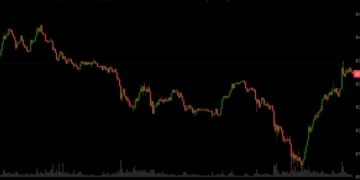
- A bitcoin wallet dormant since 2013 moved all 411.45 of its coins on Sunday to a new address. The stash is worth roughly $34 million at about $82,600 a coin, against $54,000 when the balance was acquired in September 2013 at a price near $131, an increase of more than 600 times or roughly 64% compounded annually over thirteen years.
- The owner had been targeted for years. Dozens of tiny deposits, each worth less than a dollar, arrived from addresses Arkham labels as phishing. This is address poisoning: fraudsters send trace amounts to high-value wallets so their own address appears in the transaction history, hoping the owner later copies the wrong one when making a transfer. The owner did not fall for it.
- The destination suggests maintenance rather than selling. The funds have not gone to an exchange, the receiving wallet has made no outgoing transactions, and the new address uses SegWit, the modern standard offering better security and lower fees, replacing an outdated format.
- Three long-dormant wallets have moved within two weeks. Two others dormant over a decade shifted a combined 417 bitcoin the previous day, and a wallet untouched since before the Covid crash moved $378 million the week before.
What Happened?
The transfer cost 337 satoshis in fees, a fraction of a cent to move $34 million. The owner held through three halvings, the 2017 boom, the 2022 FTX collapse and the 2024 launch of spot bitcoin ETFs without buying, selling or moving a single coin. CoinDesk notes a similar pattern in 2025, when dormant mega-wallets repeatedly reactivated and most coins went to new private wallets rather than exchanges.
Why It Matters?
Address poisoning is the practical warning here and it applies to anyone transacting in crypto, not just whales. The attack costs the fraudster almost nothing, requires no technical compromise, and relies entirely on someone copying an address from their transaction history rather than from a verified source. It is the same category of failure as the recently reported theft of up to $93.2 million through compromised hardware wallets and the AI model that spent from a wallet whose recovery phrases were already public: none required breaking any cryptography. The losses actually occurring in this market are operational and avoidable, which is worth remembering alongside the quantum computing warnings issued this week by companies that sell quantum-resistant products. The move to a fresh SegWit address is the more interesting detail and the article does not connect it. The Quantum Alliance estimates 6.4 million bitcoin, about 30% of supply, sit in addresses whose public keys are already exposed, and moving coins to a new address is the standard mitigation. Whether this owner was thinking about that, about fees, or simply about tidying up, the behaviour matches what security researchers recommend. Watching whether dormant holders migrate addresses is a better indicator of how seriously that risk is taken than any vendor’s timeline estimate. On the returns, roughly 64% compounded for thirteen years is the number that gets quoted from stories like this, and the base rate deserves equal billing. Six of the other nine assets in the January 2018 top ten still trade below their peaks from that week, so the cohort that produced this outcome is smaller than the cohort that did not. Thirteen years of inactivity is also a strategy almost nobody executes, including most people who intend to.
What Next?
Whether the coins eventually reach an exchange is the only thing that would change the interpretation, and the receiving wallet has so far done nothing. Watch whether more decade-dormant wallets activate, since three in two weeks is a cluster rather than a trend and the 2025 precedent suggests most such movements are custodial. For holders, the practical steps are verifying addresses from a trusted source rather than transaction history, and understanding what address format their own coins sit in.
Affected Tickers and Coins: BTC, COIN
Source: CoinDesk